CASE STUDY · HUBSPOT
Brand Development & Enablement
Make the right path the easiest path.
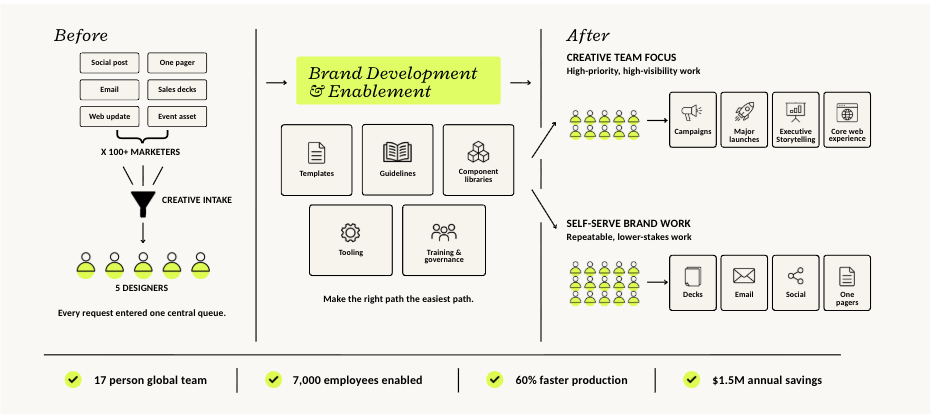
From creative bottleneck to creative breakthrough: the operating model the program made possible.
ROLE
Founder and leader, from team of one to Head of Brand Development & Enablement
SCOPE
Operating model, guidelines, templates, design system, DAM, training, governance
TEAM
Grew from 1 to a 17-person global team
TIMELINE
2018 to 2025
01 · THE CHALLENGE
The brand was ready. The infrastructure wasn't.
In 2018, I co-led HubSpot's rebrand. It launched cleanly. Then I realized there was no way to roll it out: no templates, no training, nothing in between. The brand lived in PDFs and Slack messages, and HubSpot was a bit of a wild west. Anything went.
The operating model made it worse. Six designers fielded dozens of requests a day from hundreds of marketers, and every request entered one central queue. The creative team became the bottleneck for every launch, our CMO wanted more speed, and our internal NPS scores reflected it.
A beautiful rebrand wasn't going to stick if nobody downstream knew what was approved, or could make it themselves.
02 · STARTING FROM ZERO
Start with the basics. Then listen.
I pitched the idea to my manager. His answer: run with it. As a team of one, I started with brand guidelines and an update to the small module library our marketers relied on.
It wasn't enough. The real problem was the operating model, so I interviewed every team in marketing to understand what they needed. Three months later, I had a prioritization matrix that scored every request by reach, usage and urgency, and it showed where teams' needs overlapped.
That changed the game. Instead of designing a one-pager for every marketer, we built the template once.
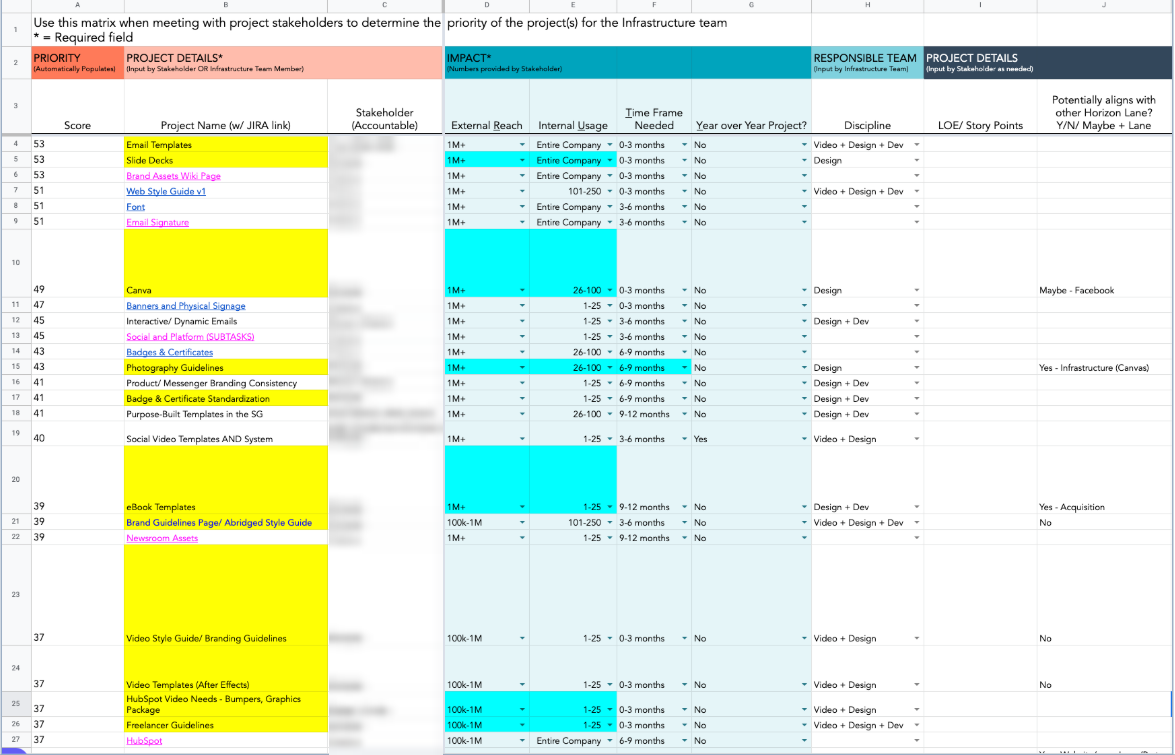
The original prioritization matrix. Email templates, slide decks and brand assets topped the list, because nearly everyone needed them.
03 · TWO AUDIENCES
One system, built for two kinds of users.
Marketers and creatives needed different things from the brand. Solve for only one, and the other works around you.
MARKETERS
Fast, safe and self-serve
Templates, guidelines and tools for the everyday work: decks, emails, social and one-pagers, with the brand built in so they never had to wait in a queue.
CREATIVES
Flexible systems and freed-up time
A design system and component library that made craft faster, and fewer routine requests, so designers could focus on campaigns, launches and flagship work.
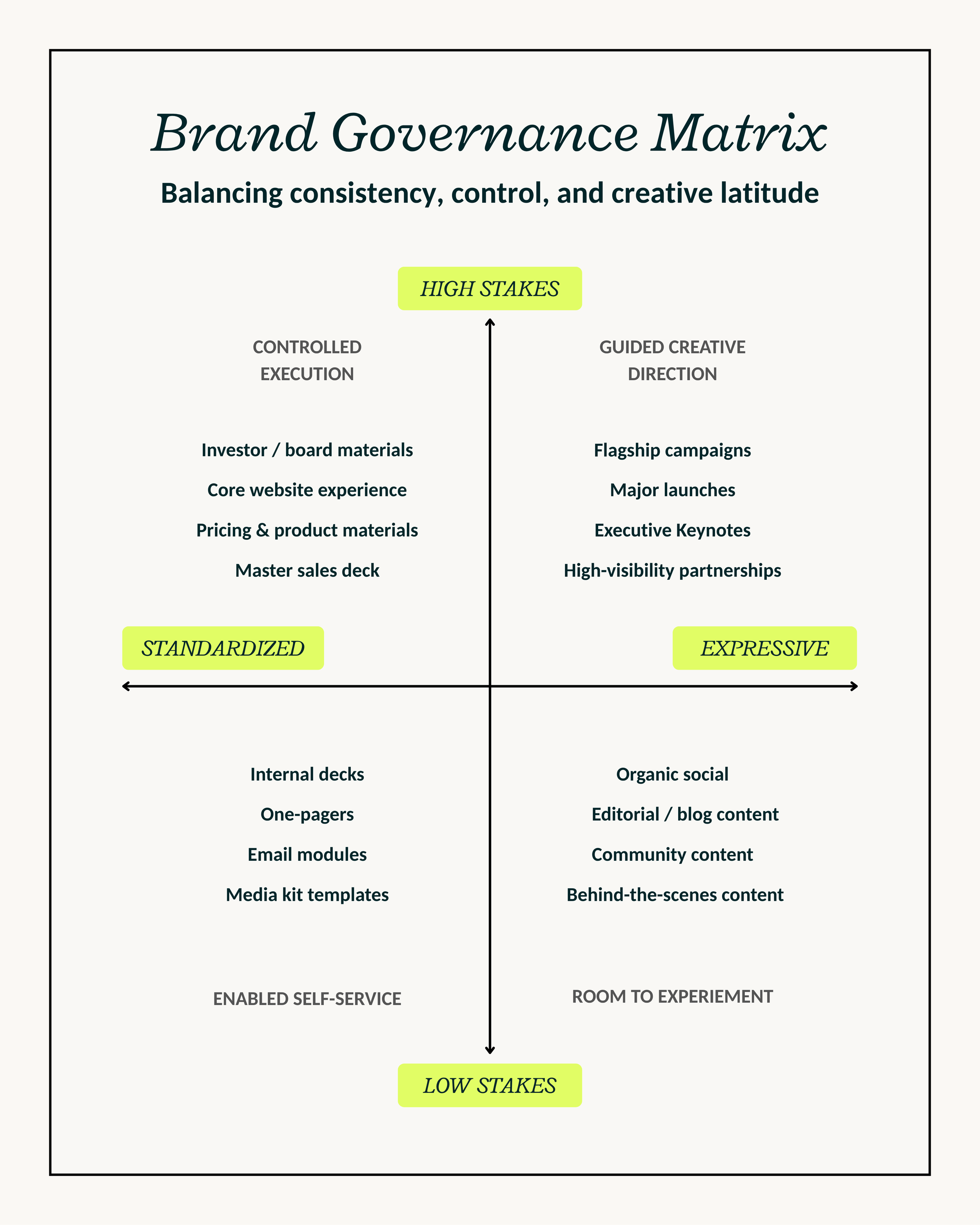
Not everything needs a designer.
Governance mapped work by stakes and expression. High-stakes, standardized work stayed controlled. Repeatable, low-stakes work became fully self-serve. Flagship campaigns got hands-on creative direction, and social and editorial had room to experiment.
The governance model: who makes what, and how much latitude they get.
04 · BUILDING THE TEAM
From a team of one to a team of 17.
Once our CMO saw what the program was doing, the program got budget for headcount. The team grew from making templates to owning the brand's visual identity, and then to governing it. That's where the name came from: Brand Development & Enablement.
2018
Co-led HubSpot's rebrand, then started the program as a designer and a team of one.
Listen
Interviewed every marketing team and built the prioritization matrix that shaped the roadmap.
Scale
Won CMO investment in headcount while also growing the design team from 6 to 26 as a design manager.
2020
Moved into a full-time principal role leading brand systems, and kicked off the component library.
2022
Named Head of Brand Development & Enablement, leading a 17-person global team through 2025.
05 · WHAT WE BUILT
One source of truth for everything brand.
By the end, the team had given marketers and creatives everything they needed for daily work, and made it self-serve.
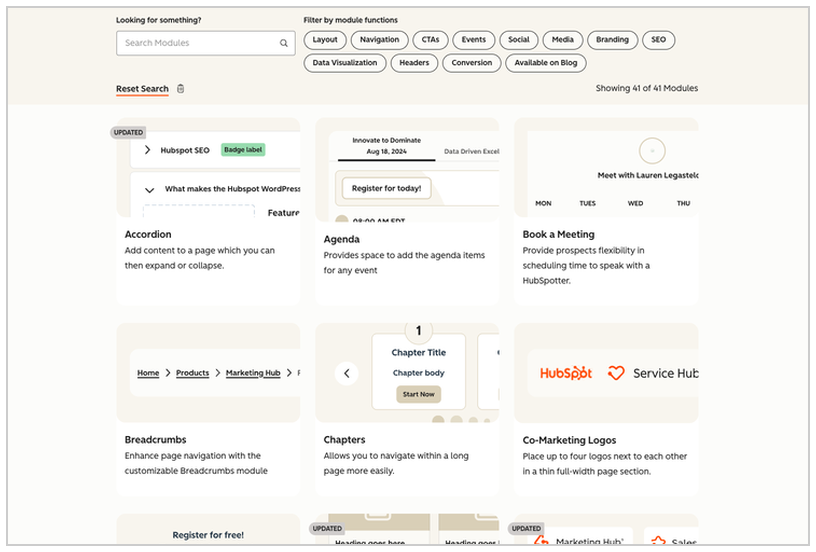
Creative Design System
Tokens, components and patterns for designers and developers. See the component library case study.
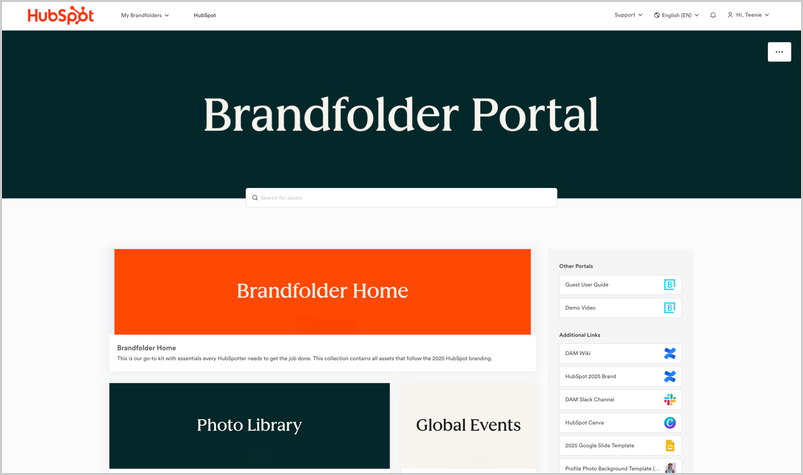
Brandfolder DAM
One source of truth for every approved asset, from photography to event kits.
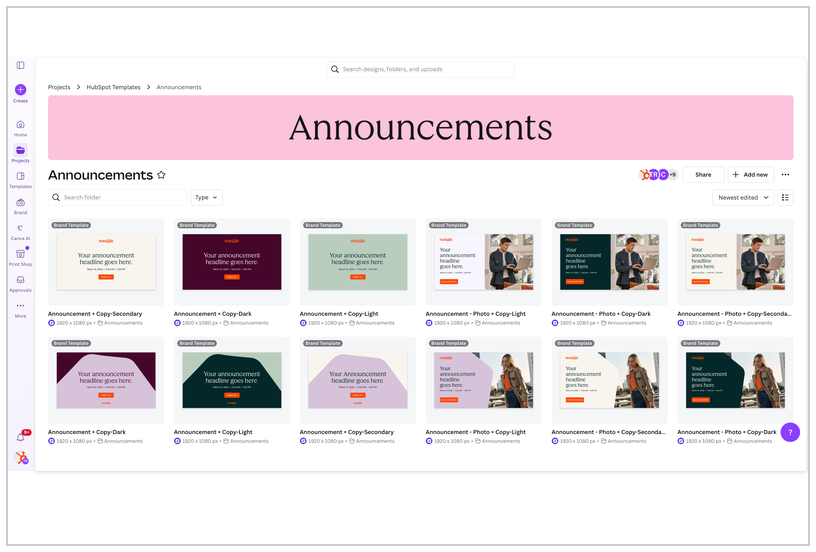
Canva Enterprise
On-brand templates that let 7,000+ employees create without waiting on design.
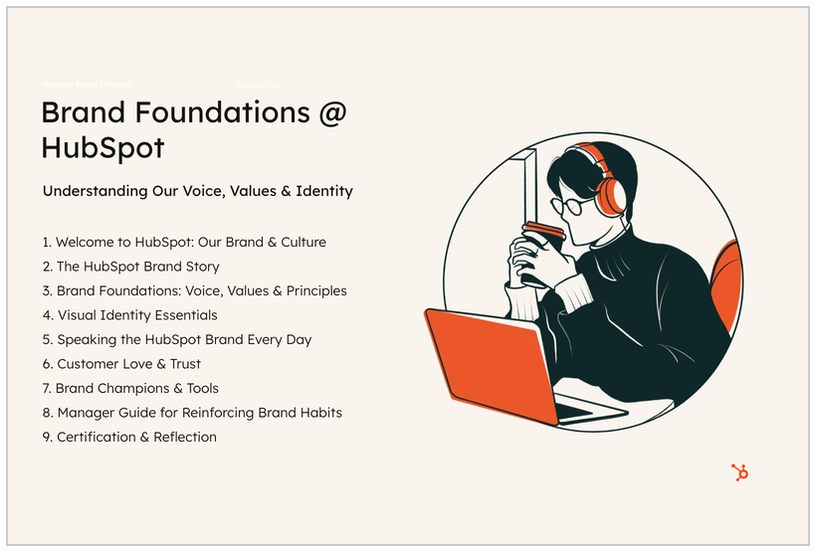
Brand Education
Training on the brand's voice, values and visual essentials, with a certification at the end.
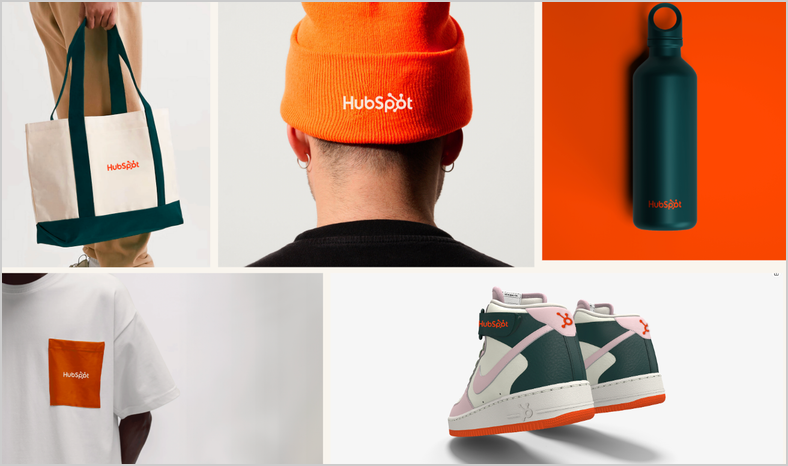
Global Swag
Merchandise standards, so the brand looked as good on a tote bag as on a billboard.
Insight & Iteration
Usage data and feedback loops that kept the system improving after launch.
06 · MAKING IT STICK
A system that keeps learning.
A brand system is never finished. We built a feedback loop into the program so it could learn from how people actually used it, measure what was working and evolve with the business.
Measure
Track which assets and templates get used.
→
Listen
Gather requests and feedback from marketers and creatives.
Prioritize
Score what's next by reach, usage and impact.
→
Evolve
Ship updates, then start the loop again.
→
07 · THE RESULTS
1 → 17
From a team of one to a 17-person global team
7,000+
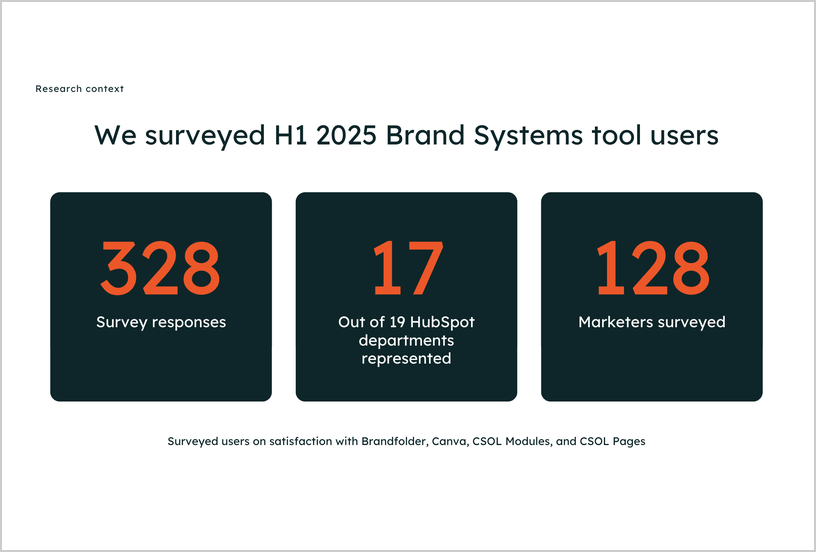
Employees using the brand system, up from about 2,800
60%
Faster production after the Canva Enterprise rollout
1.5M
In operational cost savings
The creative team stopped treating every request as a custom design project. Repeatable work went self-serve, and creative direction went where the stakes and visibility were highest.
Enablement isn't a support function. It's how a creative team does its best work at the scale of an entire company.
WHAT I’D DO AGAIN